Hug Tower TROLL Traps How to Climb the TROLL Hug Tower
Routes, spacing, and tool usage so hugs do not end your run.
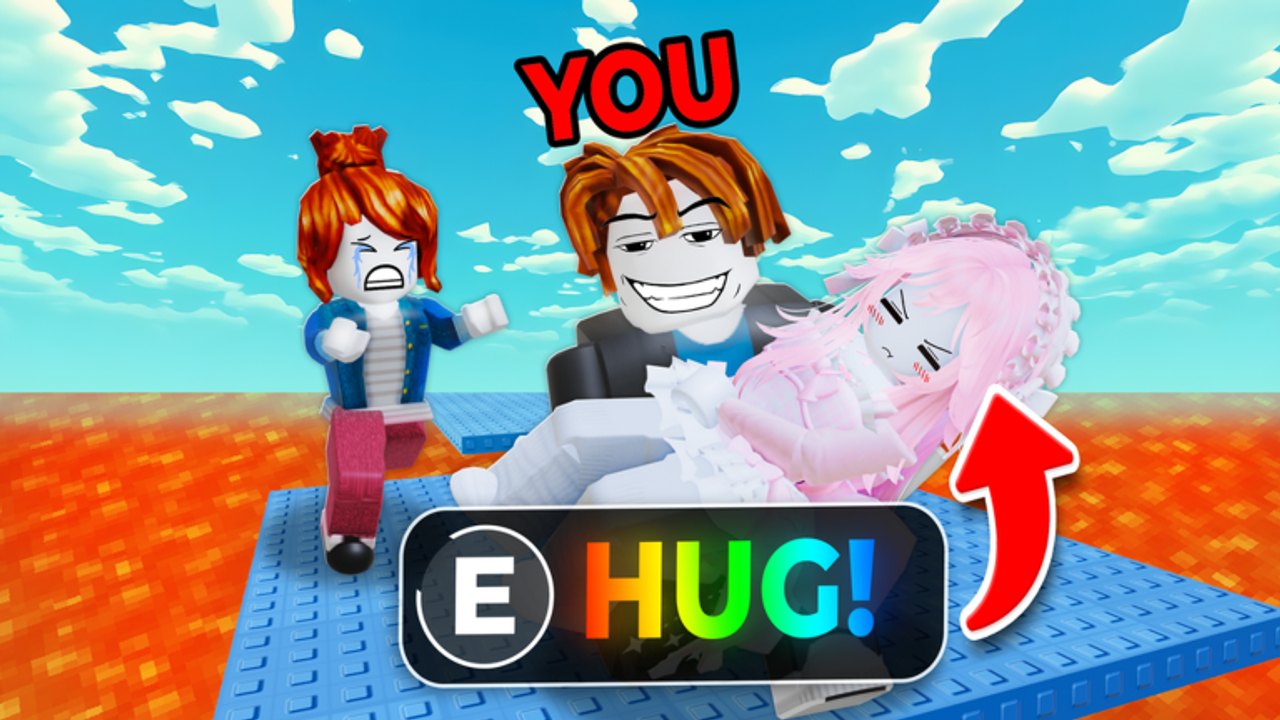
Climbing in Hug Tower TROLL Traps is not a quiet parkour solo. The official Roblox experience TROLL Hug Tower packs up to 20 players into the same vertical playground. Every staircase, bridge, and overlook can become a hug trap. This guide focuses on ascending with intent: choosing routes, keeping momentum, denying easy grabs, and using shop tools without losing your footing.
If you came from Getting Started, you already know the win condition. Here we go deeper on movement quality.
Route tips that actually matter
Prefer wide lines over “fastest” lines. The shortest path is often the most camped. A one-second detour that keeps you off a lip is a successful climb decision.
Climb in pulses. Move, scan, move. Standing still to chat on a ledge is how highlight-reel throws happen.
Read player density ahead. If a mid-floor landing has a pile of avatars, pause on the previous safe platform. Let the chaos resolve or take a side path.
Respect lava geography. Know which sides of a platform dump into lava versus soft falls. When you must pass a danger edge, cross with speed and camera already facing your exit.
Do not tunnel vision upward. Many hugs come from behind or from players dropping onto your platform. Pair this advice with Survival Tips for camera habits.
Momentum and jump timing
Momentum is your friend when the path is clear and your enemy when a hug starts. Enter jumps with forward speed already built. Avoid bunny-hopping in place on tiny tiles—those animations telegraph that you are stuck.
On chains of platforms:
- Land centered, not on the outer third of the plate.
- Re-center the camera before the next commit.
- If you mistime a jump, reset early rather than clawing at an edge while someone presses E.
Coils change the rhythm. Speed Coil (commonly 8 Robux) lets you blast past contested stairs—use it to skip hug range, not to sprint blindly into a packed overlook. Jump Coil (commonly 99 Robux) helps when vertical gaps are gated by campers; still land with a plan, because a high jump into a hug is just a fancier death.
Avoiding grabs while climbing
Grab denial is mostly spacing and timing:
- Keep an invisible bubble. If another player enters it, either accelerate through or change elevation.
- Approach corners wide so you can see who is waiting.
- Never end a jump in the exact center of a known ambush tile if two players are already dancing there.
- When a hug animation starts on someone near you, treat the whole platform as unstable—throws create knock-on collisions.
- If you are grabbed, fight for a throw angle that does not send you into lava, then reassess. Mechanics detail lives in How to Hug and Throw.
Community tips that stay true session after session: keep moving, avoid crowds near edges, watch behind, and if you must throw, throw toward lava. Speed Coil exists so you can run past trolls instead of accepting every duel.
Tool usage while climbing
Tools are not a substitute for route IQ. They are multipliers.
Coils — equip before the contested segment, not after you are already surrounded. Number keys should feel automatic; see Controls.
Carpets — Golden Carpet (39) and Rainbow Carpet (399) help awkward traversals. Deploy with room to stabilize. Carpeting straight into a hug pile wastes the purchase.
Grapple (299) — reposition when a staircase is permanently camped. Grapple into open space, not into a three-person cuddle.
Hammer (199) — disruption tool for players who already understand timing. New climbers should master bare movement first.
For prices, comparisons, and pass context, open Tools. For relative priority talk, skim the Tier List. Starter Pack (59), Animations (99), Mini Admin (599), and Admin (1499) do not replace learning how to climb; they change how punishing the climb feels once you already have fundamentals.
Mid-tower decision tree
Ask three questions on every landing:
- Is this platform a hug stage? If yes, minimize dwell time.
- Is my next jump readable? If everyone can predict your landing, feint a path or wait for a distraction.
- Do I need a tool right now? If no, keep hands free and camera free.
When the answer to all three is bad, consider a strategic reset. Climbing with a bad mental state leads to greed jumps. Survival-focused players will lean on Survival Tips; chaos-focused players still need this climb page because you cannot troll from the lobby floor forever—see Trolling Strategies after you can reach ambush floors consistently.
Practice plan
Spend one session ignoring kills. Count how many floors you clear without touching E. That isolates movement mistakes. Next session, allow hugs only when you have a clear lava line. Third session, add Speed Coil or carpet practice on the same routes so tool swaps do not break your jump timing.
Watch the embedded climb-focused gameplay for visual pacing, then return here and rewrite your route notes. Patch changes to interaction physics can nudge grab ranges—check Patch Notes after major updates, then re-test your favorite lines.
Climbing well in Hug Tower TROLL Traps means looking like the boring player who somehow always lives. Boring is undefeated. Take wider lines, pulse your movement, deny free hugs, and spend Robux only on tools that fix a problem you have already felt on a free run.
Frequently Asked Questions
Quick answers for Hug Tower TROLL Traps players.
What is the biggest climbing mistake in Hug Tower TROLL Traps?
Standing still on edges in a crowd. Keep moving and leave packed platforms even if it costs a few seconds.
Should I use Speed Coil while learning routes?
It helps once you know where you are going. If you still miss jumps, practice without it so speed does not hide bad landings.
When should I reset during a climb?
Reset when you are off-balance on a lava lip or stuck in a three-plus player pile with no exit. A quick reset beats a long spectator fall.
Do carpets replace learning jumps?
No. Carpets help specific gaps and styles, but contested landings still require spacing and camera awareness.